Anna Krüger · 2 September 2026
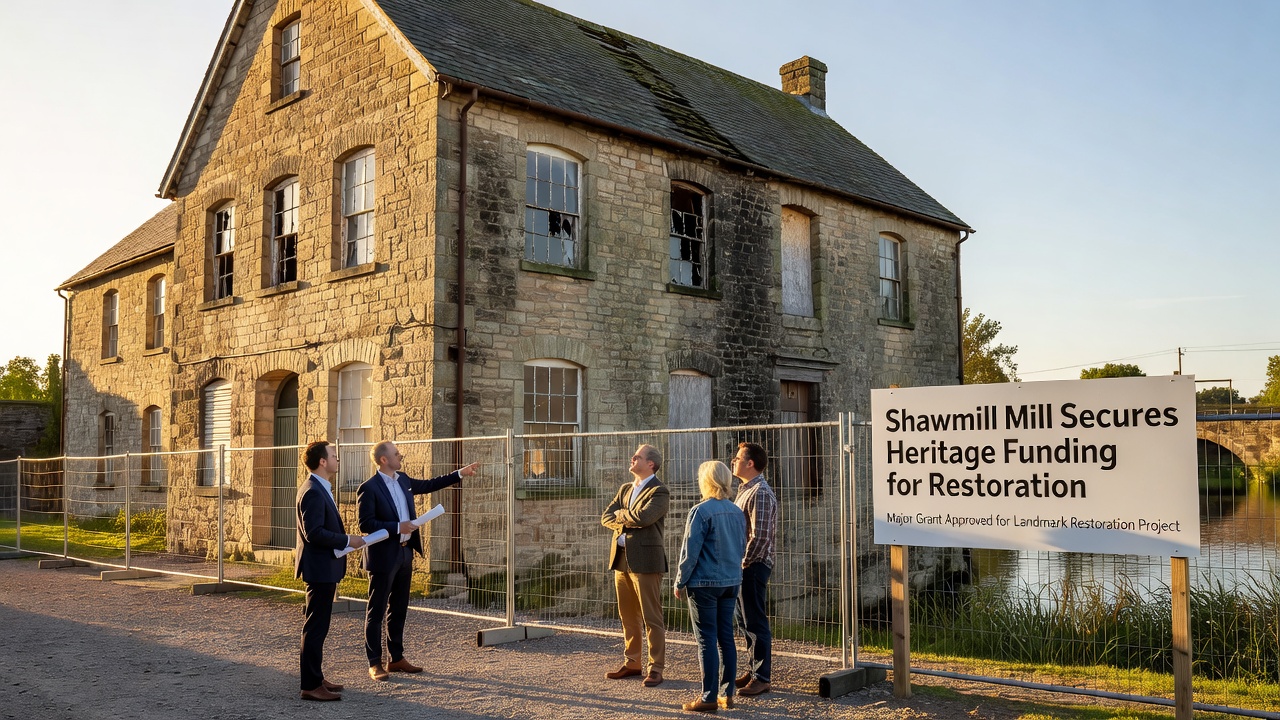
The Shawmill historic mill restoration project has secured vital heritage funding, marking a significant step in preserving the village's industrial legacy. The grant from national heritage bodies will allow comprehensive work to begin on the 18th century structure which has been a landmark for centuries. Community groups celebrated the announcement following extensive advocacy efforts.
Historical Background of Shawmill Mill
Originally constructed in 1785, the mill served as a key facility for processing local agricultural products and later supported the textile industry during the industrial revolution. Many families in the area have ancestors who worked there, making it a symbol of community resilience. Over time, as industries changed, the building was abandoned and suffered from weathering and vandalism. Heritage experts conducted detailed assessments revealing the need for immediate action to stabilize the walls and replace the damaged roof. The funding allocation includes provisions for archaeological surveys to uncover more about its past uses. The mill's architecture reflects Georgian era design principles with later Victorian modifications.
Restoration Project Details and Impacts
The restoration will employ traditional building techniques alongside modern conservation methods to ensure longevity. Community members will have opportunities to participate in workshops teaching stone masonry and other skills. Once complete, the site will feature interactive displays on local history, a community hall for events, and spaces for small businesses. This is expected to create jobs and attract tourists interested in heritage sites. Environmental considerations include solar panels and rainwater harvesting systems. Local councilors have praised the project for its potential to revitalize the area economically and culturally. Ongoing maintenance plans are being developed with input from specialists to avoid future neglect. The success of this funding bid is attributed to strong community support and thorough preparation of the application documents. The project timeline spans three years with phased completion of different sections. Funding also supports public engagement events to keep residents informed and involved. Partnerships with universities will facilitate research into historical milling techniques.